

Private Label · 12 November 2026
7 Things to Consider Before Launching Your Own Hookah / Shisha Charcoal Brand
Seven essentials for entrepreneurs, importers, distributors and shop owners: market fit, charcoal formats, quality, packaging, labels, shipping and landed costs.
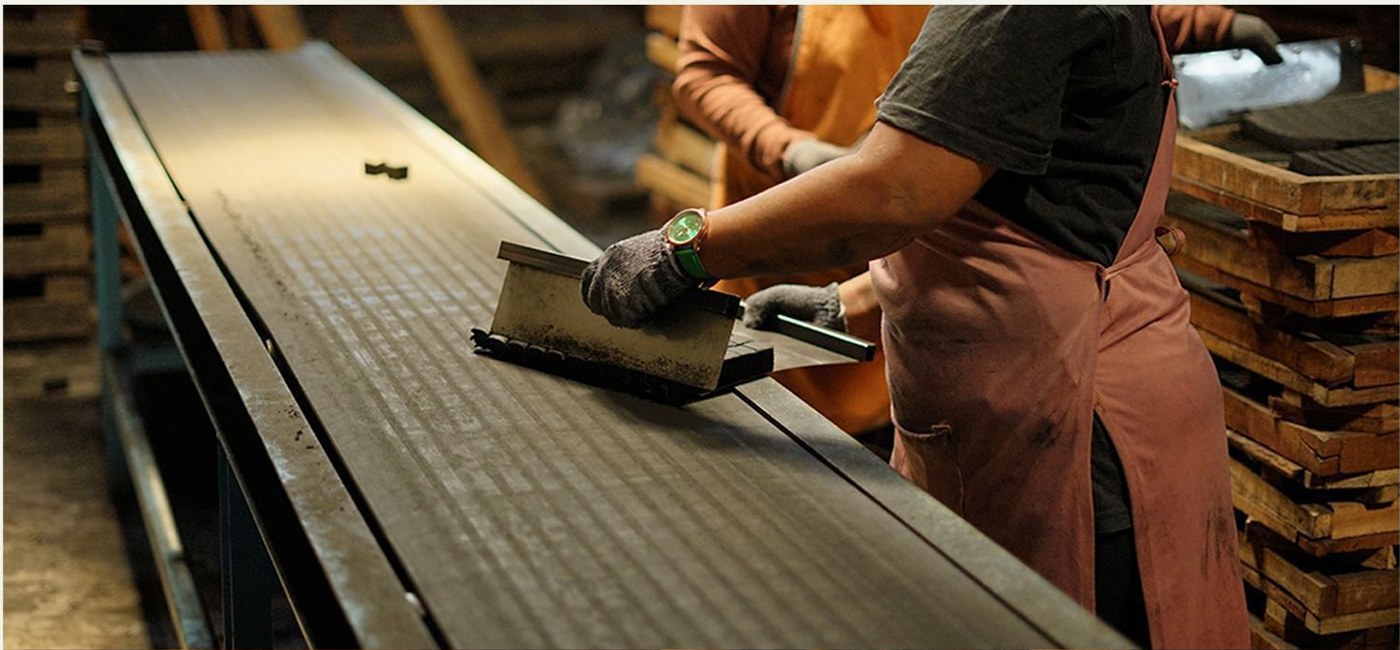
Shaman catalogue production photo
Launching a hookah charcoal brand is more than choosing a name and printing a box. Before you spend money on packaging or commit to your first container, you need to know who will buy the product, what those customers expect and how you will maintain the same quality when they order again.
At Shaman Coal, we work backwards from the market: decide on the charcoal and its specification first, then the packaging, documentation and shipment. These seven questions help you build a product worth reordering.
1. Who are you selling to?
A shisha lounge, specialist hookah shop, tobacco retailer and wholesale distributor do not necessarily want the same charcoal. Understand the bowls and heat-management devices your customers use, their preferred price point and their usual pack size. Look at the competition, but don’t copy a format simply because it’s popular elsewhere. Define your customer before designing your carton.
2. Which size and shape makes sense?
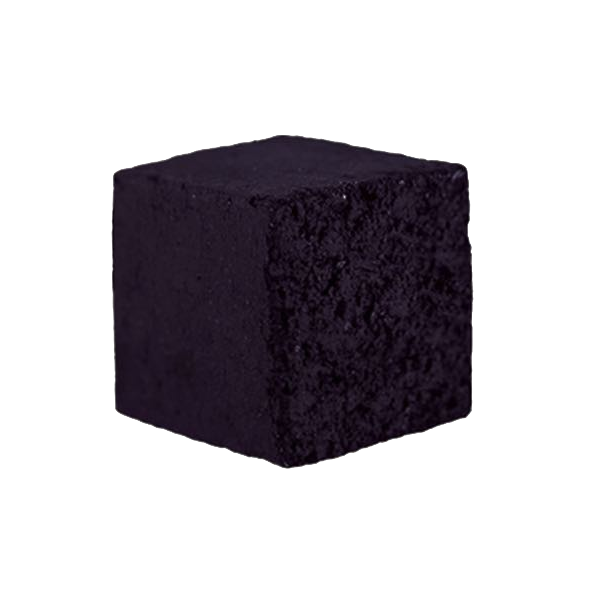
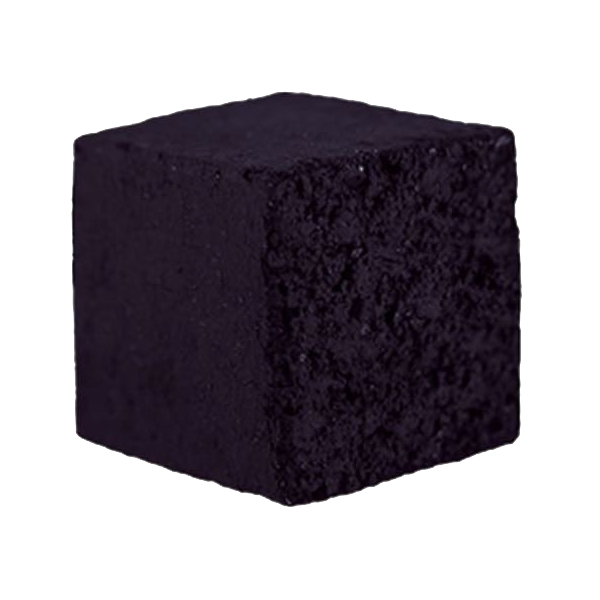
A 26 mm cube and a 28 mm cube behave differently in a bowl or heat-management device. Shaman’s published range includes both formats and other shapes. Choose a limited starting range you can test properly. Ask for samples, check dimensions and pieces per kilogram, and confirm exactly which SKU will be produced. See our product range for current catalogue formats.
3. How will you judge quality?
Price per tonne is only one part of the decision. Request agreed specifications for size, mass, moisture, ash, volatile matter and fixed carbon. Ask whether a laboratory report describes the exact sample or batch you are buying. Conduct real-use checks for lighting, odour, heat behaviour, cracking and breakage. Treat any burn-time claim as test-specific, not a universal guarantee. A laboratory report is not the same as a factory certification.
4. What should the customer see on the shelf?
A 250 g trial pack, 1 kg retail box and larger lounge or wholesale pack serve different buying habits. Confirm which options are feasible for your selected product. Agree net weight, inner bag or foil, pieces per box where relevant, barcode, master-carton quantity and stacking requirements. Request a physical proof of the printed packaging before approving mass production.
5. Is the label ready for your destination market?
Your packaging may need local-language instructions, importer identification, net-weight statements, country of origin, safety warnings and other country-specific information. Verify the local rules rather than assuming a label accepted in one market will work everywhere. Avoid unsupported claims such as ‘completely safe’, ‘chemical-free’ or ‘certified’ when you only have product-test documentation. Natural coconut-shell briquettes and quick-light charcoal are different products; describe the difference accurately.
6. Can the charcoal be shipped legally and reliably?
International transport planning must begin before the boxes are finished. Non-activated charcoal of vegetable origin is listed as UN 1361, CARBON, animal or vegetable origin, Class 4.2, subject to the classification and shipment-specific requirements. IMDG Code Amendment 42-24 is mandatory from 1 January 2026 for packaged dangerous goods by sea; Special Provision 978 addresses charcoal conditions including weathering, temperature and stowage. Confirm the correct packing group, documentation, packaging and carrier acceptance for your actual consignment with your dangerous-goods specialist and freight forwarder. Rebranding a box never changes the shipping rules.
7. What is your true cost per sellable box?
Compare landed cost, not just the factory quote. Calculate from the agreed Incoterm, production and packaging, printing, freight, destination handling, duties, local delivery and distributor margin. Include a realistic stock and reorder plan. A low first-order price helps little if the second shipment arrives too late or the retail format is impractical.
Build the product before the brand
Your first production order should establish a repeatable product specification, packaging that suits your customers and a workable export plan. At Shaman Coal, our private-label discussions begin with your target market, selected charcoal formats, packaging ideas and expected volume. Tell us where you intend to sell and whom you plan to supply; we can then discuss samples, feasibility and the next steps.
Further reading / Shipping reference
More from the blog
Importing & Export · 5 November 2026—views
How to choose a coconut charcoal supplier in Indonesia
Indonesia has many coconut charcoal producers and traders. These checks help you separate reliable supply from risk.
Read article →Products · 5 November 2026—views
Cube sizes: 26mm vs 28mm
Two millimetres sound trivial. In a hookah bowl, they change how many pieces a user needs and how heat builds.
Read article →Importing & Export · 5 November 2026—views
What importers should ask before booking a charcoal container
Most problems with charcoal shipments are decided before the container is booked. Ask these questions first.
Read article →