
Products ·
Hookah Charcoal Shapes Explained: Cubes, Bars and Hexagons
Understand how shape changes fit, packing, handling and heat placement—without assuming a single geometry is best for everyone.

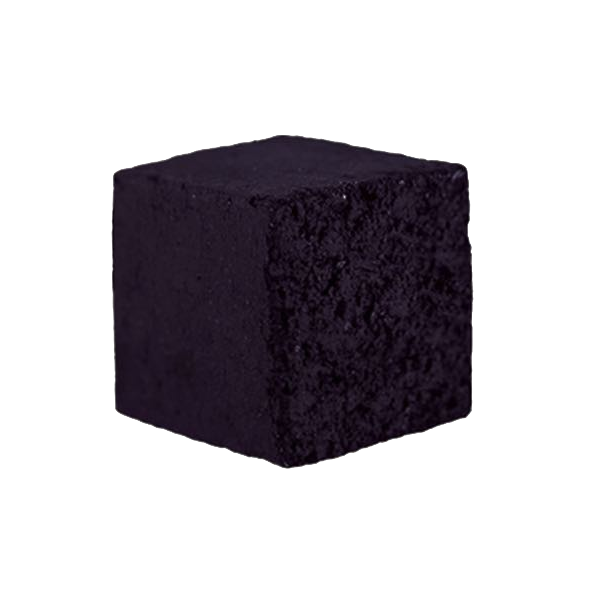
Shape is more than a marketing feature. For pressed charcoal, geometry affects how pieces fit into a bowl or HMD, how they touch surfaces, how they are packed and how easily they can be handled. The familiar cube remains popular, but bars, hexagonal profiles and special shapes address different requirements.
What makes cube charcoal popular?
Cubes are simple to count, arrange and compare. Wholesalers can agree a nominal side length and tolerances, then verify the actual dimensions and weight. The same nominal cube can still vary in density and consistency, so always compare a sample with the purchasing specification.
SHAMAN offers multiple cube sizes. A separate 26 mm versus 28 mm guide explains the dimensional choices; this article focuses on geometry, not choosing between those two sizes.
Why choose a bar?
A bar creates a longer contact profile than a cube. Depending on the setup, that can change how pieces are positioned and how air reaches them. Bars may be appropriate for specific markets or proprietary concepts, but compatibility must be checked physically rather than inferred from product photos.
The SHAMAN range includes a bar format alongside cubes.

Are hexagonal briquettes the same as cubes?
No. A six-sided profile has different faces and packing characteristics. Hexagonal formats are commonly encountered in barbecue applications; suitability for a particular heat-management device or grill must be evaluated separately. Never market a BBQ product as automatically appropriate for shisha merely because it is made from coconut shells.
What should distributors specify?
- Exact dimensions and tolerances in millimetres.
- Unit weight and packing count, where relevant.
- Type of intended equipment or application.
- Desired 1 kg, 2 kg or master-carton configuration.
- Allowable breakage and inspection procedure.
- Product and box artwork approval process for private-label orders.
What about unusual shapes?
A novel profile is useful only if it solves an actual placement or customer preference. Before ordering new tooling, test a representative prototype for handling, stability and packaging. Avoid promises that shape alone guarantees a particular burn time.
Match the shape to the actual sales channel
A retail shop, lounge and barbecue distributor may have different reasons to carry a product. When evaluating shapes, map the use case first, then the dimensional tolerance and the packaging configuration.
| Shape | Useful discussion with the supplier |
|---|---|
| Cube | Side length, pack count, fit in common bowls or HMDs |
| Bar | Length, cross-section, breakage resistance and positioning |
| Hexagonal profile | Dimensions, intended application and how units pack |
| Other specialty forms | Compatible equipment, sample testing and tooling requirements |
A distributor should avoid treating all hexagons as barbecue fuel or assuming every long bar is intended for a particular HMD. The actual product specification and its intended use determine the choice.
For private-label projects, confirm whether printed artwork will show the real shape and piece count, not an attractive generic cube. Photograph the approved sample beside its final retail pack; that simple check catches many misunderstandings before printing.
Need to compare SHAMAN cubes, bars and hexagonal charcoal? Request samples and specifications for your market.