
Products ·
How to Light Hookah Charcoal: Preparation and Carbon Monoxide Safety
A practical checklist for handling natural shisha charcoal, with clear carbon monoxide warnings and advice for professional venues.

Natural coconut-shell charcoal requires deliberate preparation. A suitable charcoal heater can help bring the pieces to an even state of ignition, but no lighting method removes the carbon monoxide and health risks of burning charcoal or smoking a hookah. The priority is safe handling and compliance with the venue's fire and ventilation requirements.
Before switching on a charcoal heater
Place the appliance on a stable, non-combustible surface with appropriate clearance. Follow its manufacturer's instructions, electrical rating and operating limits. Keep combustible packaging, fabrics and unrelated equipment away from the hot zone. Do not leave an operating heater unattended.
Because burning charcoal creates carbon monoxide (CO), use of a heater or live coals inside an enclosed space requires particular caution. Ventilation measures and monitoring should be assessed by competent professionals and local rules followed. Open windows alone are not a guarantee of safety. Never use charcoal heaters in sleeping areas or other unventilated spaces.
How should coals be prepared and handled?
- Choose a heater approved for the type and quantity of charcoal being used.
- Arrange coals according to the appliance instructions rather than piling them beyond capacity.
- Turn them with suitable metal tongs only if the heater instructions call for it.
- Do not transfer pieces with large unignited sections into the bowl or HMD.
- Place hot pieces only on a heat-resistant surface or in suitable equipment, away from people and combustible materials.
- Allow used coals and ash to cool safely in a non-combustible container following the venue's fire procedure; do not place warm ash in ordinary rubbish.
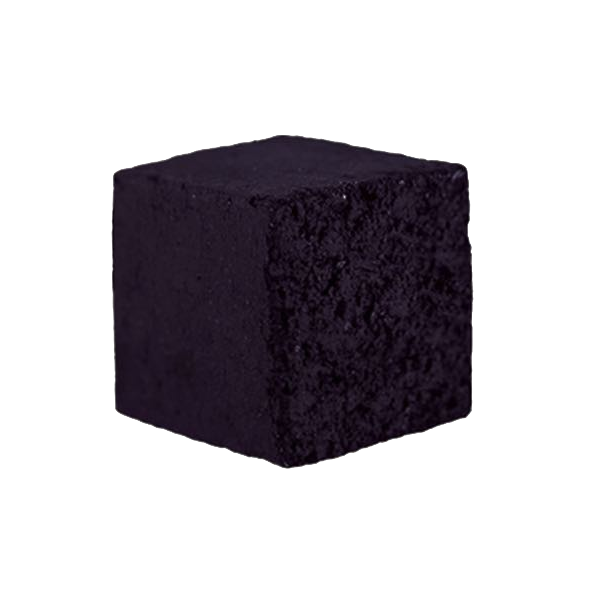
Exact ignition times depend on cube size, appliance output, airflow and fuel properties. Marketing claims such as “ready in six minutes” should never replace a physical check and the heater instructions.

What are the symptoms of carbon monoxide exposure?
CO is colourless and odourless. Headache, dizziness, nausea, weakness or confusion can indicate exposure; severe poisoning is a medical emergency. If exposure is suspected, stop the activity, move to fresh air without risking further exposure and contact local emergency services. Do not try to diagnose or treat CO poisoning by waiting for symptoms to pass.
The US CDC and FDA state that hookah charcoal contributes to harmful emissions, including CO. Natural charcoal is not a safer smoking claim.
What should a lounge train staff to do?
Create a documented process for heater operation, tongs, ash handling, fire protection, ventilation arrangements and incident response. Keep customers out of coal preparation areas. Use the same training for all shifts and review it when equipment changes.
Build a safer staff operating procedure
A shisha lounge should document who may operate the heater, which appliances are authorised, the location of combustible-free work surfaces and how hot coals are transferred. Staff training should include what to do if a piece falls, where used coals are placed, and how customers are kept away from preparation equipment. These details matter more than memorising a supposedly universal number of heating minutes.
Have the venue's responsible professionals review ventilation, fire detection and carbon-monoxide risk controls against applicable local requirements. A carbon monoxide alarm is not a substitute for adequate ventilation or safe operating procedures. If a person develops a headache, confusion or dizziness around burning charcoal, treat potential CO exposure urgently rather than trying to identify the gas by smell.
For purchasing, choose consistent dimensions and packaging so staff can follow the same approved process across shifts. Product consistency helps with operations, not with removing the risks of combustion.
For bulk charcoal requirements, discuss sizes and packaging through SHAMAN. Product consistency helps with procurement planning; it does not eliminate combustion hazards.