
Products ·
Natural vs Quick-Light Hookah Charcoal: What Really Changes?
Compare ignition, heat control, flavour interference, packaging and purchasing considerations without confusing natural charcoal with a health claim.

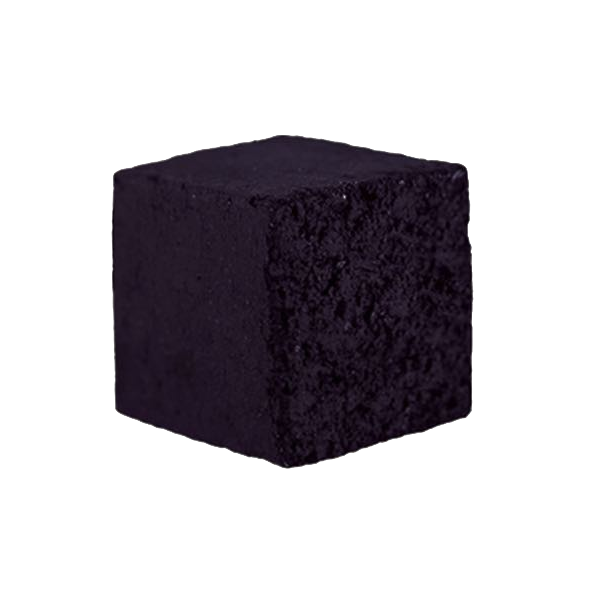
Natural hookah charcoal and quick-light charcoal solve different problems. Natural coconut-shell briquettes usually need a dedicated heat source and more preparation. Quick-light products use an ignition aid and are designed to start more rapidly. Neither type makes hookah smoke safe; the distinction is about handling and product characteristics, not a health endorsement.
What is the practical difference?
| Question | Natural coconut briquettes | Quick-light coals |
|---|---|---|
| Lighting | A suitable coal heater is normally required | Designed for quicker ignition |
| Form | Often cubes, bars or other pressed shapes | Often tablets or discs |
| Consistency | Depends on formulation, pressing and drying | Depends on formulation and ignition system |
| Best buying comparison | Ash, dimensions, moisture, strength and heat behaviour | Ignition behaviour, residue, packaging and handling |
Avoid treating advertised burn-time figures from different brands as laboratory equivalents. Cube size, airflow, a heat-management device and the test method can change the result significantly.
Why do users discuss taste and smell?
Quick-light formulas may create noticeable odours during ignition, while properly manufactured natural briquettes are often chosen for a more neutral heating experience. However, natural does not mean zero odour or zero emissions. Poorly carbonised material, dust, contaminants, cooking residue or incomplete ignition can all affect the experience.
A useful product evaluation should compare several samples in the same bowl and HMD, with the same fuel weight and heating method. Record consistency rather than relying on a single subjective score.

Which format makes sense for a shisha lounge?
For professional venues, preparation time and heat consistency matter alongside the price per carton. A natural-coal system may require an appropriate heater and handling workflow, but it can fit a lounge that values standardised cubes. Quick-light may look convenient on paper while introducing different operating considerations. Calculate cost per session, not simply cost per kilogram.
What does safety guidance say?
All burning charcoal can produce carbon monoxide. The US Food and Drug Administration explains that the heat source influences harmful exposure in hookah use. Do not imply that an additive-free briquette is a safe alternative to smoking, and do not operate charcoal burners in unventilated spaces.
What should wholesale buyers request?
Ask for material composition, shape and tolerance, laboratory data where available, packaging options, sample testing and an agreed method for assessing breakage. Compare the intended use in the destination market—not just a competitor's headline burn time.
Run a fair side-by-side product trial
For wholesale purchasing, the comparison should cover the whole handling cycle, not just which coal lights first. Use the same equipment wherever the manufacturers' directions permit, document each preparation method and keep the same size of serving. Measure preparation time, damaged pieces, visible residue, replacements and staff handling effort. A product that looks inexpensive on the invoice can require more operational attention.
Be careful with claims about smell and flavour. Report exactly when an observation occurred—during ignition, while transferring pieces or during use. Different heating equipment can change the result, and subjective reactions should not be advertised as laboratory measurements.
Questions to send prospective suppliers
- Is the product genuinely a natural coconut-shell briquette or a quick-light formulation?
- What is the binder or ignition system, where applicable?
- What retail weights and carton configurations are supported?
- Which test results are batch-specific, and how will future orders be checked?
A distributor can then select a range according to customer expectations rather than repeating generic claims about which category is “best”.
For natural coconut-shell charcoal, explore the SHAMAN product range or request a commercial discussion about sizes, packaging and samples.