
Private Label ·
Private-Label Hookah Charcoal Packaging: 250 g, 1 kg, 2 kg and Master Cartons
A packaging specification guide for distributors planning their own charcoal brand, covering pack sizes, artwork, labels and shipping protection.

When launching or expanding a private-label charcoal range, the box is part of the product specification—not an afterthought. A clear packaging brief connects the intended customer, charcoal shape, retail weight and outer-carton plan. It also reduces artwork revisions and avoidable confusion in production.
Which retail size should you choose?
250 g packs may suit trial purchases, smaller shops and sampling campaigns. 1 kg packs are familiar in many specialist charcoal channels. 2 kg packs can serve higher-consumption users and trade accounts. 10 kg master cartons may contain bulk product or smaller retail packs, depending on the configuration.
These are commercial examples, not a promise that every packing format is available for every charcoal shape or order quantity. Packaging feasibility, carton strength and production minimums must be confirmed for the individual project.
What must be in your packaging brief?
Include the exact charcoal shape and dimensions, declared net weight, target retail market, box structure, number of inner packs per master carton, barcode ownership, product language requirements and approved artwork files.
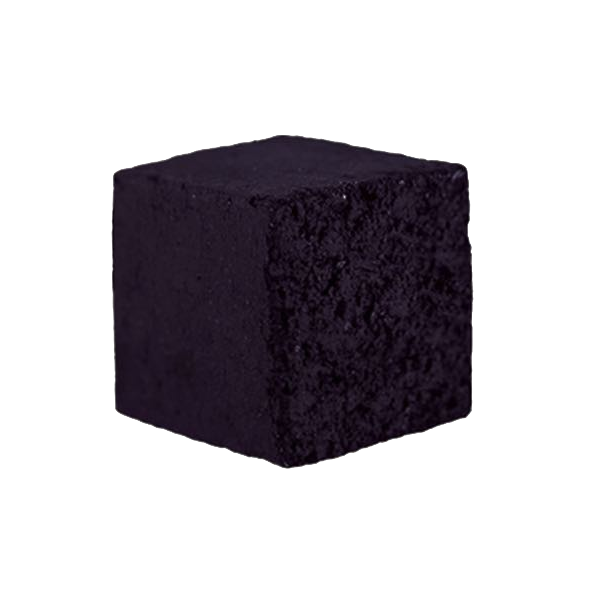
For a 1 kg cube pack, also agree how many pieces are expected, whether the count is guaranteed or indicative, and how the weight tolerance is managed. A size change can alter the piece count and packing fit.

Which labels and documents need checking?
Requirements vary by destination and product classification. The importer and brand owner should verify their applicable language, consumer information, traceability, safety and packaging-waste obligations. Do not copy compliance markings or certification logos from another brand without a valid basis.
Artwork approval should be separate from final technical approval. The mock-up must match the real box, dimensions, colour intent and readable text after printing.
How can a distributor reduce packaging mistakes?
- Confirm the final product and retail weight.
- Approve a physical or accurately sized packaging sample.
- Verify master-carton packing and pallet implications.
- Check names, barcodes, languages and manufacturer information.
- Agree who supplies print-ready artwork and signs it off.
- Preserve the approved specification for repeat orders.
Where does SHAMAN fit?
Approve the actual retail pack, not just the artwork
Before authorising print, review a physical proof or a correctly sized sample with the real charcoal format. Check the print on every side: product name, net weight, intended market language, responsible business information, batch or traceability space where required, and any applicable safety wording. A graphic mock-up can hide problems with fold lines or text that becomes unreadable on the finished box.
Match the pack to the product. A kilogram box containing 26 mm cubes may not hold the same number of pieces as a kilogram of larger cubes. Decide whether you are declaring net weight, a guaranteed count, or an indicative count, and make the artwork match the agreed specification. Also check whether inner bags are sealed, whether master cartons withstand the intended handling and how the distributor will identify mixed sizes.
Three questions to resolve before a production order
- Who owns and signs off the barcode, brand artwork and final language version?
- Which retail and transport packaging samples have been physically approved?
- How will rejected artwork or damaged cartons be handled on repeat orders?
The result is a packaging brief that a factory can act on, rather than just a logo and an approximate weight.
SHAMAN works with multiple charcoal sizes and private-label formats. The private-label section outlines the manufacturing offer; our contact team can discuss which packaging configuration suits your market and commercial quantities. Start with a detailed specification rather than a logo alone.