
Products ·
What Is Coconut-Shell Hookah Charcoal? A Practical Guide
How coconut-shell shisha briquettes are manufactured, why density and moisture matter, and what importers should check before choosing a batch.

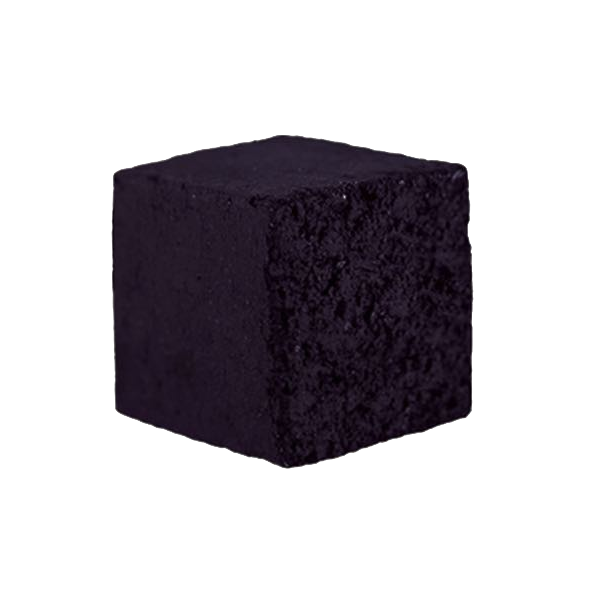
Coconut-shell hookah charcoal is a manufactured fuel made from carbonised coconut shells, rather than whole coconuts or coconut husk fibre. The shells are converted into char, milled, mixed with a binder where the recipe requires one, pressed into uniform pieces, dried and packed. For wholesale buyers, the important question is not simply whether the coal is coconut-based: it is whether its properties are consistent across deliveries.
How is coconut-shell charcoal made?
The starting material is coconut shell, an agricultural by-product. Carbonisation removes much of the volatile material and leaves a carbon-rich char. The producer then mills the char to a controlled particle size. Many moulded briquettes use a starch-based binder; a good supplier should describe the actual formulation instead of claiming that every briquette is made by pressure alone.
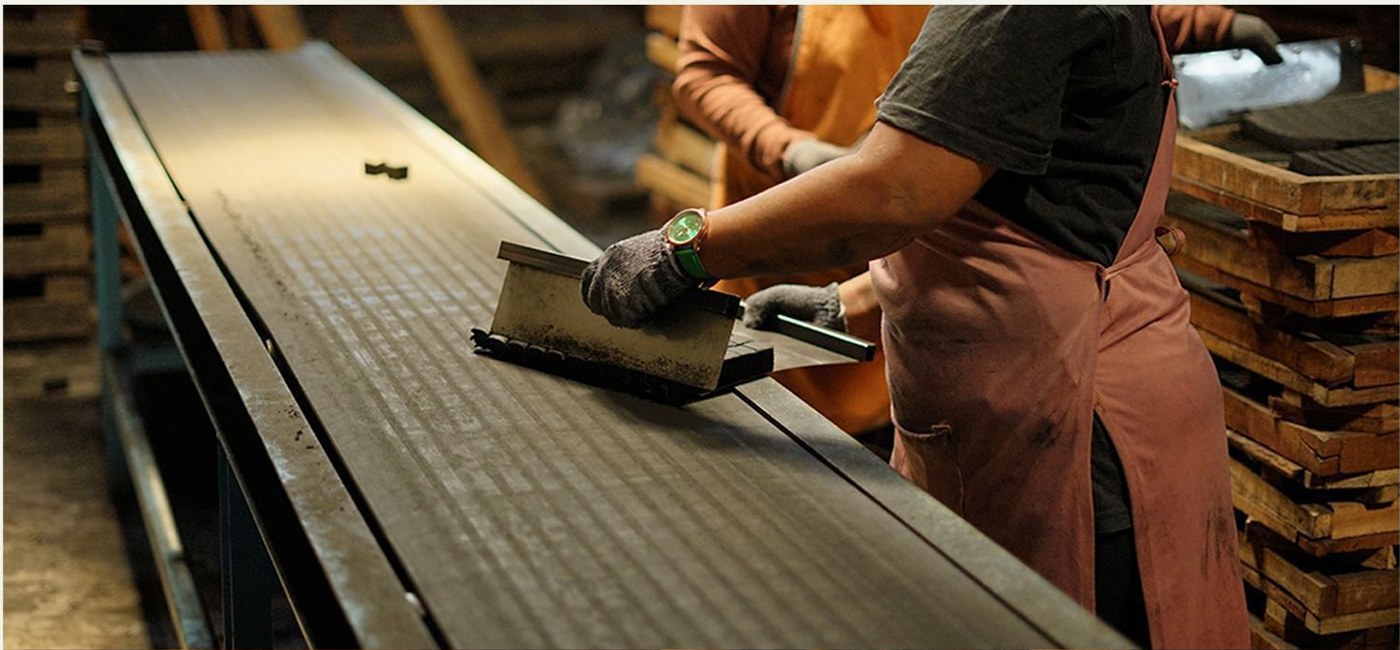
The mixture is pressed into cubes, bars or other moulds, dried to a suitable moisture range and sorted before packing. Press pressure, particle size, drying and handling affect whether finished pieces are uniform and survive transport intact.
Why do density, ash and moisture matter?
Density affects the amount of fuel in a piece of a given size, but a heavier cube is not automatically the best choice for every heat-management device. Ash is the non-combustible residue remaining after burning; its percentage should be measured by a defined laboratory method rather than judged only by colour. Moisture can influence lighting, storage and the risk of crumbling after humid transport.
Ask for a current report showing the sample identity, test method, results and date. Compare several pieces from the same batch and, where possible, an independently selected pre-shipment sample. A single attractive demonstration does not prove a container's consistency.

Which shapes are available?
There is no universal best shape. Cubes are widely used for conventional bowls and heat-management devices; bars and other profiles offer different placement and contact areas. The SHAMAN product catalogue includes multiple cube sizes and other designs. Choose according to the target market, the heating setup and packaging format.
Does natural mean harmless?
No. Burning any charcoal produces combustion gases, including carbon monoxide. Natural coconut charcoal is not a health or indoor-air safety guarantee. The US CDC explains that charcoal used with hookah can contribute carbon monoxide and other toxic exposure.
Questions importers should ask
- What are the raw material and binder specifications?
- Are size tolerances and broken-piece limits stated?
- Which ash, moisture and fixed-carbon tests are available?
- How is the batch packed against humidity and breakage?
- Can we evaluate samples before a larger order?
What a good factory walkthrough should reveal
A useful factory visit or video tour connects each product claim to a visible process. Ask the team to show how incoming shell char is checked, how the pressing line maintains a consistent form and how finished pieces are sorted. The exact equipment may differ between producers; what matters is being able to explain the control points and show representative finished goods.
For a meaningful sample request, send a one-page specification covering nominal dimensions, acceptable variation, retail pack weight, expected piece count where relevant, ash and moisture test method, and maximum tolerable damage on arrival. Request the report for the actual sample you receive, not merely a generic example PDF. These details give both buyer and producer a common standard for discussing a trial order.
Buyer question: Is a sample from one production day enough? It is useful for initial evaluation, but repeatability is better assessed with samples drawn from more than one batch.
Considering coconut-shell charcoal for your distribution business? Contact SHAMAN with the destination market, preferred shape, pack size and expected volume so the discussion starts with a useful specification.