
Products ·
Why Does Hookah Charcoal Crack, Spark or Smell? A Quality Checklist
Common reasons charcoal pieces break, spark or produce unusual odours—and how importers should investigate rather than guess.

A cracked, sparking or unusually strong-smelling charcoal piece can have several possible causes. There is no responsible way to diagnose a whole shipment from a single video or one broken cube. For buyers, the best response is to stop using abnormal material, document what happened and compare it with representative samples from the same batch.
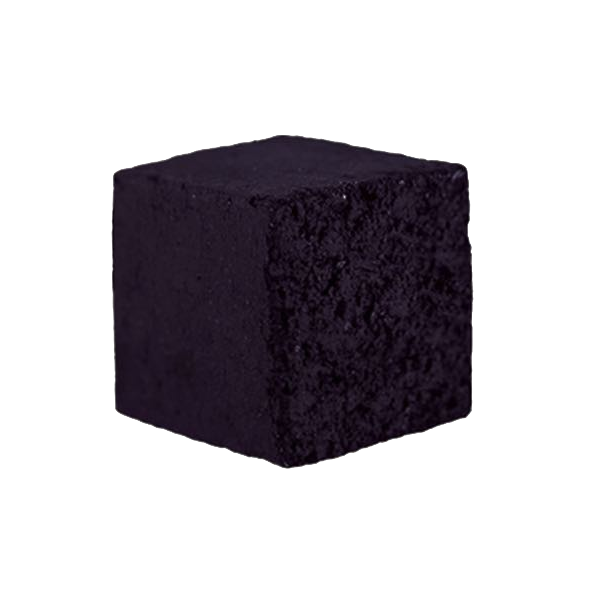
Why do briquettes crack?
Mechanical damage can occur during dropping, repeated handling, crushing in cartons or poor pallet stacking. Manufacturing factors—such as inconsistent mixing, pressing, drying or moisture exposure—can also influence mechanical integrity. A cracked cube does not on its own prove which stage caused the problem.
Check whether pieces were already fractured when the retail pack was opened. Record carton location, batch code if available, piece count and photographs.
What can cause sparks or popping?
Particles, mineral contamination, trapped moisture and how a piece heats up can all contribute to unusual behaviour. Do not assume that a spark is normal or that a “natural” label rules out contaminants. If charcoal spits, pops excessively or behaves unexpectedly, stop use and assess it with the supplier. Keep people and flammable materials away from hot pieces.

Why does charcoal smell different?
Odours may be influenced by the raw char, carbonisation, binder, packaging, storage or ignition conditions. An unusual smell is a reason to investigate—not a reliable standalone measurement of ash percentage or chemical purity.
Burning any charcoal produces gases, including carbon monoxide. Smell cannot detect CO: it is colourless and odourless. The CDC provides information about charcoal-related hookah exposure. Never investigate an abnormal product by deliberately inhaling its fumes.
What should a distributor record in a complaint?
- The product SKU, size and packaging type.
- Lot or batch reference, invoice and shipment.
- Whether the problem was found before or during heating.
- The number of affected pieces from a representative sample.
- Storage and handling conditions.
- Clear photographs and a neutral description of the behaviour.
Avoid posting accusations based on an unidentified sample. A structured complaint helps both buyer and producer investigate.
How can a supplier reduce repeat issues?
Define packing requirements, dimensional tolerances, acceptable breakage limits and sample inspection procedures before production. Ask for relevant test information if a defect suggests a material problem. Verify that changes in handling or packaging are incorporated into later orders.
Troubleshooting chart for a distributor
An isolated defect does not establish the cause. Document the observation and compare it with undamaged packs from the same delivery before contacting the supplier.
| Symptom | Useful evidence | Sensible next step |
|---|---|---|
| Crumbling on opening | Photos of intact pack, number of damaged pieces | Check packaging and shipment handling |
| Sharp cracking during heating | Sample identification, appliance and heating conditions | Stop using suspect material and request technical review |
| Unusual odour | When it occurs and whether other packs are affected | Isolate the suspect pack and investigate storage or composition |
| Excess sparks | Clear observations made without exposing people | Suspend use, preserve representative samples, contact supplier |
Do not deliberately ignite suspicious charcoal for a social-media demonstration. Avoid inhaling fumes or handling hot pieces without protection. The right evidence is a safe, dated record of what already happened, not a recreation of a hazardous incident.
For repeat orders, agree an inspection and complaint process so batch-specific concerns can be resolved using records rather than assumptions.
SHAMAN provides a range of coconut charcoal shapes and can discuss quality evaluation and sampling requirements with professional buyers.